
Pediatric physiotherapy
Why Pediatric Physiotherapy at GC Haarlemmermeer?
Children learn through play. By moving and playing, children develop their senses and motor skills. Some children experience delayed or atypical development. This can be caused by a disorder affecting the senses, organs, nervous system, or musculoskeletal system. As a result, children may gain insufficient motor experience. They need more practice to master a specific skill. All these children can benefit from treatment by a pediatric physiotherapist.
The geriatric physiotherapist has completed an additional Master's program following their physiotherapy training, focusing on the examination and treatment of the elderly. The elderly care physiotherapist has completed additional training to provide specialized physiotherapeutic care to the elderly.
Both the geriatric physiotherapist and the physiotherapist for the elderly are trained not only to alleviate the patient's complaint but also to assess the extent to which their home situation influences the symptoms. This allows individuals to live at home longer. They primarily perform exercises with patients aimed at regaining and coping with the loss of mobility and independence. The therapy often consists of practicing and training the (daily) activities that cause problems. The geriatric physiotherapist also frequently makes home visits, as treating or training older adults in their own living environment is of great importance for maintaining independence.
The geriatric physiotherapist and the physiotherapist for the elderly also advise and guide family members and any informal caregivers regarding the disease, the prognosis, the treatment, daily activities, and assistive devices.
What is the difference between a general physiotherapist and a pediatric physiotherapist?
The pediatric physiotherapist specializes in the motor functioning of children and adolescents aged 0 to 18 years. Each age group has its own motor development. After completing their physiotherapy training, the pediatric physiotherapist has completed a 4-year Master's program in pediatric physiotherapy.
When is a child referred to pediatric physiotherapy?
Indications for pediatric physiotherapy include:
- In infants
- motor development delay
- positional preference, sometimes with flattening of the head
- restlessness, excessive crying or bottom shuffling
- butt sliding
- move differently
- difficulty standing up or walking
- For toddlers and preschoolers
- lots of falling and stumbling
- fear of movement, difficulty climbing and scrambling
- problems with gross motor skills (for example, standing on one leg)
- little variation in movement or one-sided movement
- fine motor skills problems, such as coloring within the lines or crafting
- At primary school age
- delay in motor skills such as cycling, running, ball skills, hopping, and jumping
- difficulty with manual skills, writing, or crafting
- clumsiness, bumping or bumping into things
- difficulty sitting still and/or concentrating
- physical complaints headache, pain in back or arm or leg (sports) injuries
- overweight combined with too little exercise
- respiratory complaints
- rehabilitation after fractures and/or surgeries
- congenital abnormalities / neurological abnormalities
- sensory information processing problems (e.g. difficulty sitting still and/or concentrating)
- DCD (Developmental Coordination Disorder)
- posture problems (slouching / poor body awareness)
- fear of movement
- For Adolescents and Young People:
- problems with writing
- problems with gross motor skills (including catching and running)
- physical complaints
- (sports) injuries
- headache complaints
- overweight combined with little physical activity
- respiratory complaints
- rehabilitation after fractures or surgery
- posture problems (slouching / poor body awareness)
For more information about the treatment of headaches in children , you can also consult our page about the paramedical headache treatment center
How does a pediatric physiotherapist work?
Through intake, examination, and standardized tests, the
pediatric physiotherapist obtains a complete picture of the child's motor level. Parents, teachers, the general practitioner, and other involved parties play an important role in this process. They provide information about how the child behaves under various circumstances. The therapist discusses the findings and draws up a treatment plan.
How is it treated?
The treatment is aimed at increasing the child's motor development potential. The goal is for the child to function better in their physical and social environment. Functional aspects play a central role during the treatment. The exercise material has been specially developed for children and is designed to increase the enjoyment of movement and address specific motor functions.
The duration of the treatment naturally depends on the nature and extent of the complaint and the nature of the request for help. Sometimes advice alone is sufficient, for example, advice on posture or sports. In the case of chronic complaints, treatment may take a longer time.
If necessary, treatment can also take place at home. This often applies to children aged 0 to 2, or children with a severe disability.
Pediatric physiotherapy at school
School-based pediatric physiotherapy is offered to treat motor problems (gross and fine motor skills) or sensory processing issues in the child's learning environment.
Treatment at school ensures effective collaboration between the teacher, the internal supervisor, and the pediatric physiotherapist.
At the initiative of the parents, or following advice from the school, the child is registered by the parents with the GC Haarlemmermeer practice. An appointment is scheduled with the parents for the intake interview, which the child attends. A referral letter from the general practitioner is required for treatment at school. At least one parent and the child must be present at the intake interview; treatment can subsequently take place at school. During the intake interview, an appointment is immediately made for an evaluation session, and a treatment agreement is signed. Treatment continues at GC Floriande during school holidays. No assessment or treatment will be started without parental consent. Furthermore, no screening will take place in classrooms to assess the class's motor skills.
We have a partnership with primary school De Optimist and Community School “in de Breedte” (De Brandaris and Klavertje Vier).
Pediatric physiotherapy in a daycare center or medical care center:
The pediatric physiotherapists also work at MOC 't Kabouterhuis in Hoofddorp and KDV de Boshoeve in Nieuw Vennep. Here, they collaborate intensively with the child's primary therapist and other disciplines working within the institution.
Pediatric physiotherapists
Are you looking for an experienced pediatric physiotherapist in Hoofddorp specializing in Sensory Integration? Our pediatric physiotherapists help your child further his or her development.
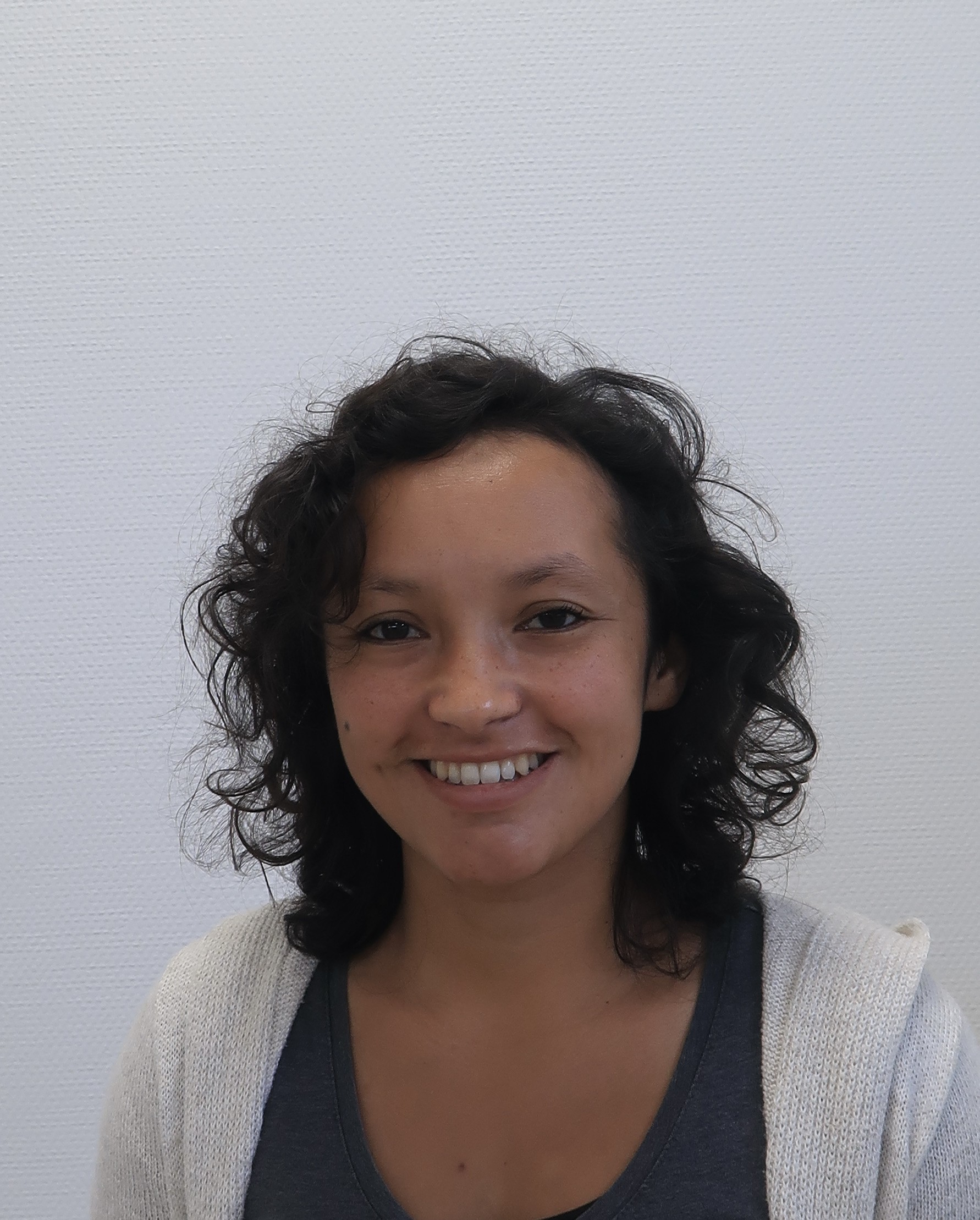
Catalijn Brandjes
- Pediatric physiotherapist MSc. and sensory integration therapist specializing in fine motor skills
- BIG number: 49918571404
- Floriande
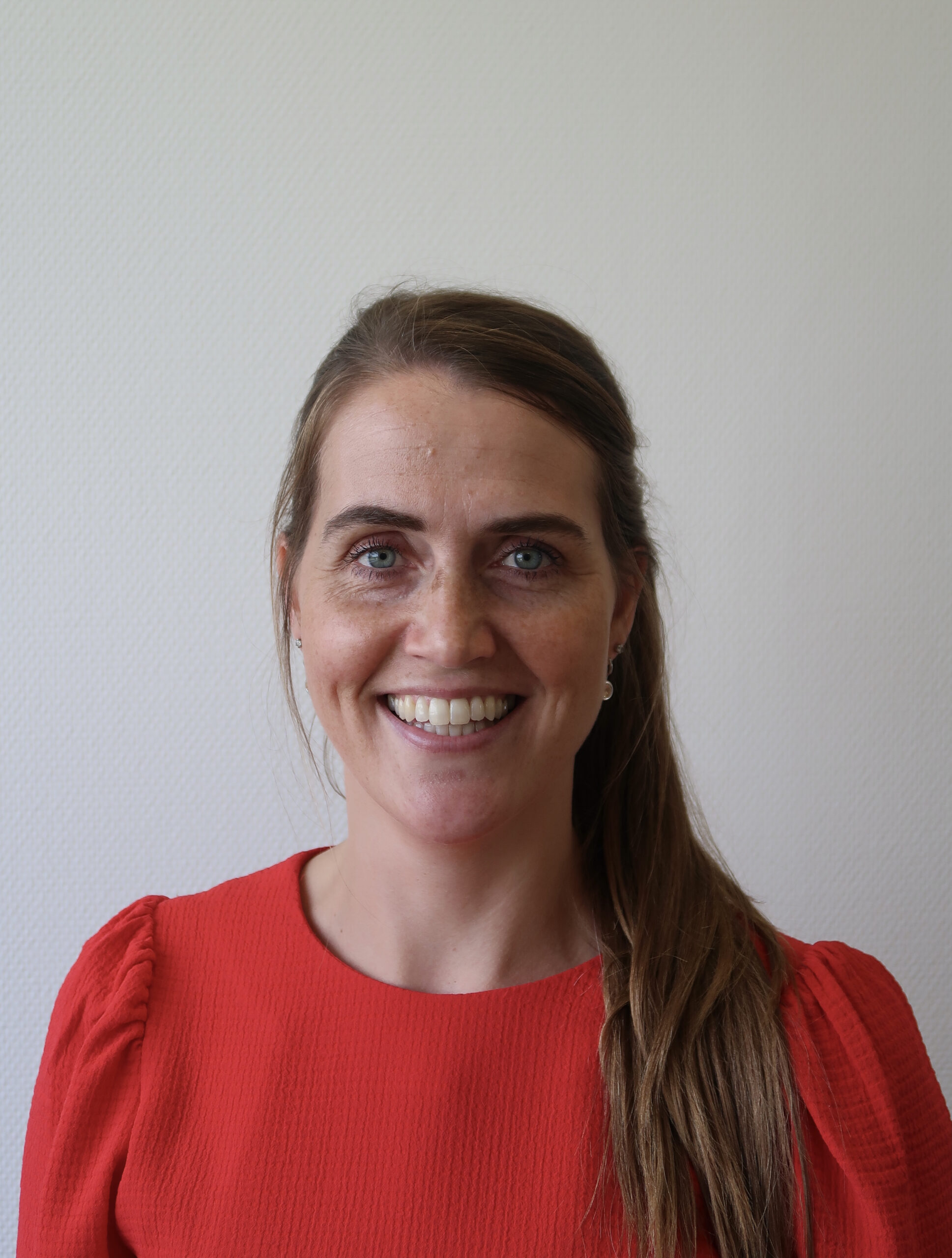
Nathalie Keijzerswaard - Rooijers
- Pediatric physiotherapist MSc. and sensory integration therapist with a specialization in orthopedics
- BIG number: 69914318304
- Floriande and Three Lakes
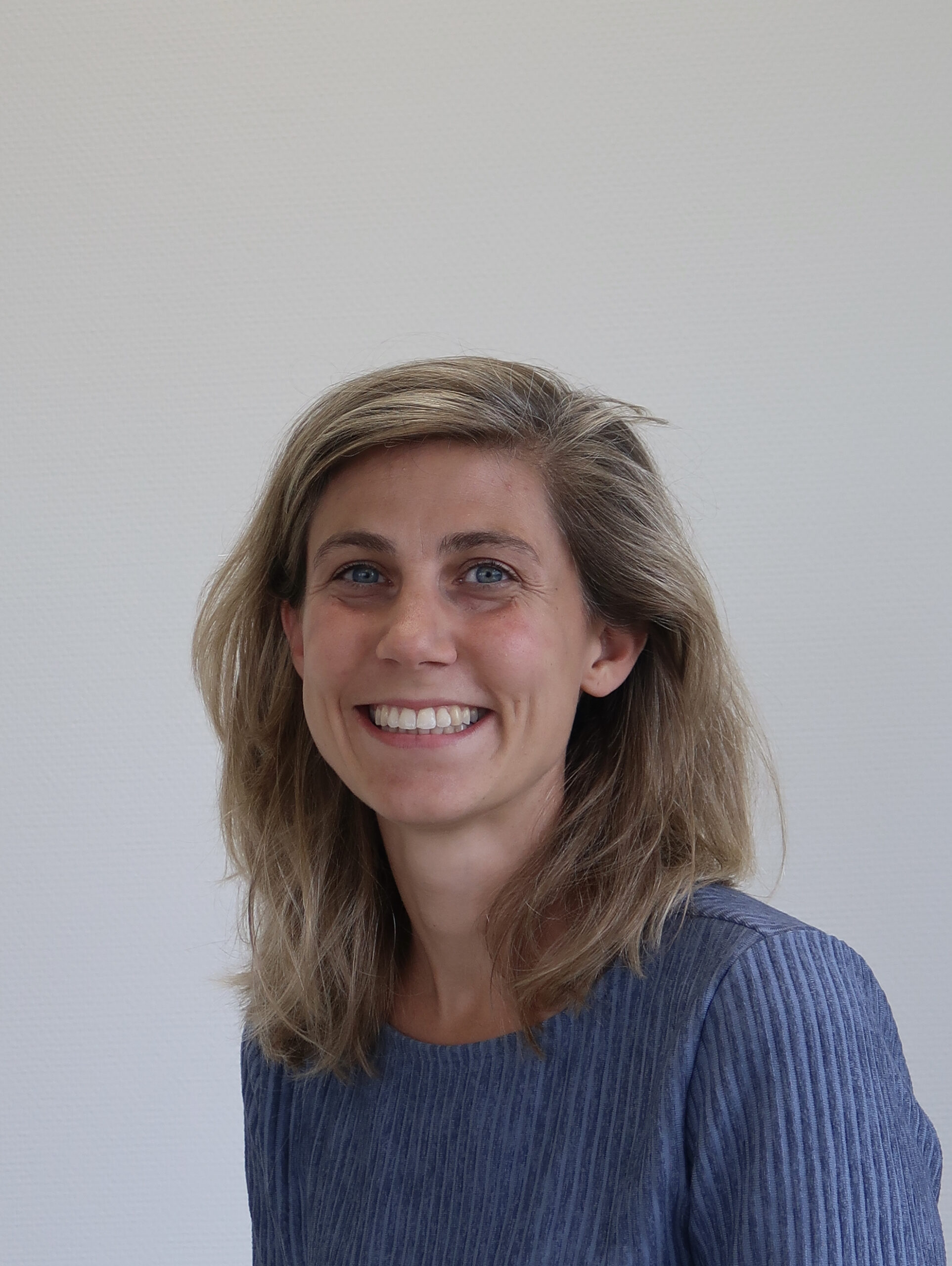
Michelle Koopman
- Pediatric physiotherapist MSc. and sensory integration therapist specializing in headaches
- BIG number: 39911456804
- Floriande