Advies en informatie
- u gebruikt 5 of meer medicijnen en heeft u hierdoor problemen, zoals bijwerkingen
- u start met het gebruik van een medicatierol
- u hebt een slechte nierfunctie
- u hebt een ziekenhuisopname gehad en mist sindsdien het overzicht in de medicatie
- u bent het afgelopen jaar gevallen en denkt u dat dit door de medicatie kan komen
Gemak bij het innemen van medicijnen
Veel mensen gebruiken meerdere medicijnen per dag. Vaak op verschillende tijdstippen van de dag. Dan is het niet vreemd dat u zich wel eens vergist of dat er wat mis gaat bij het innemen. Het is soms lastig zo het overzicht te bewaren. Als apotheek helpen wij u graag om het innemen van uw dagelijkse medicijnen voor u zo makkelijk en veilig mogelijk te maken. Wij kunnen hiervoor de medicijnen op rol leveren.
Wat is een medicijnrol?
Een medicijnrol is een rol zakjes, waarin de dagelijkse medicijnen per innamemoment zijn verpakt. Op ieder zakje staat de dag, de datum en het tijdstip van inname. Ook ziet u welk medicijn erin zit en hoe dit medicijn eruit ziet (de kleur en de vorm). U kunt dus eenvoudig controleren of u de juiste medicijnen inneemt. De zakjes zijn op volgorde van inname en per innamemoment aan elkaar gekoppeld. Hierdoor is de medicijnrol ook een praktisch hulpmiddel bij het op tijd innemen van uw medicijnen en kunt u achteraf eenvoudig controleren of u ze heeft ingenomen. U hoeft zich dus nooit meer af te vragen of u uw geneesmiddel wel heeft ingenomen.
De voordelen van uw medicatie in rol zijn:
- U heeft in één keer het overzicht van de medicatie.
- Nooit meer een vergeten dosis.
- Nooit meer stripjes uitdrukken of potjes open maken.
- Geen grote voorraden meer in huis.
- Ideaal om mee te nemen.
- Uw medicatie staat elke 2 weken automatisch voor u klaar in de apotheek of wordt bij u thuis bezorgd.
Vraag in de apotheek na of u in aanmerking komt voor vergoeding van de medicijnrol door uw zorgverzekeraar.
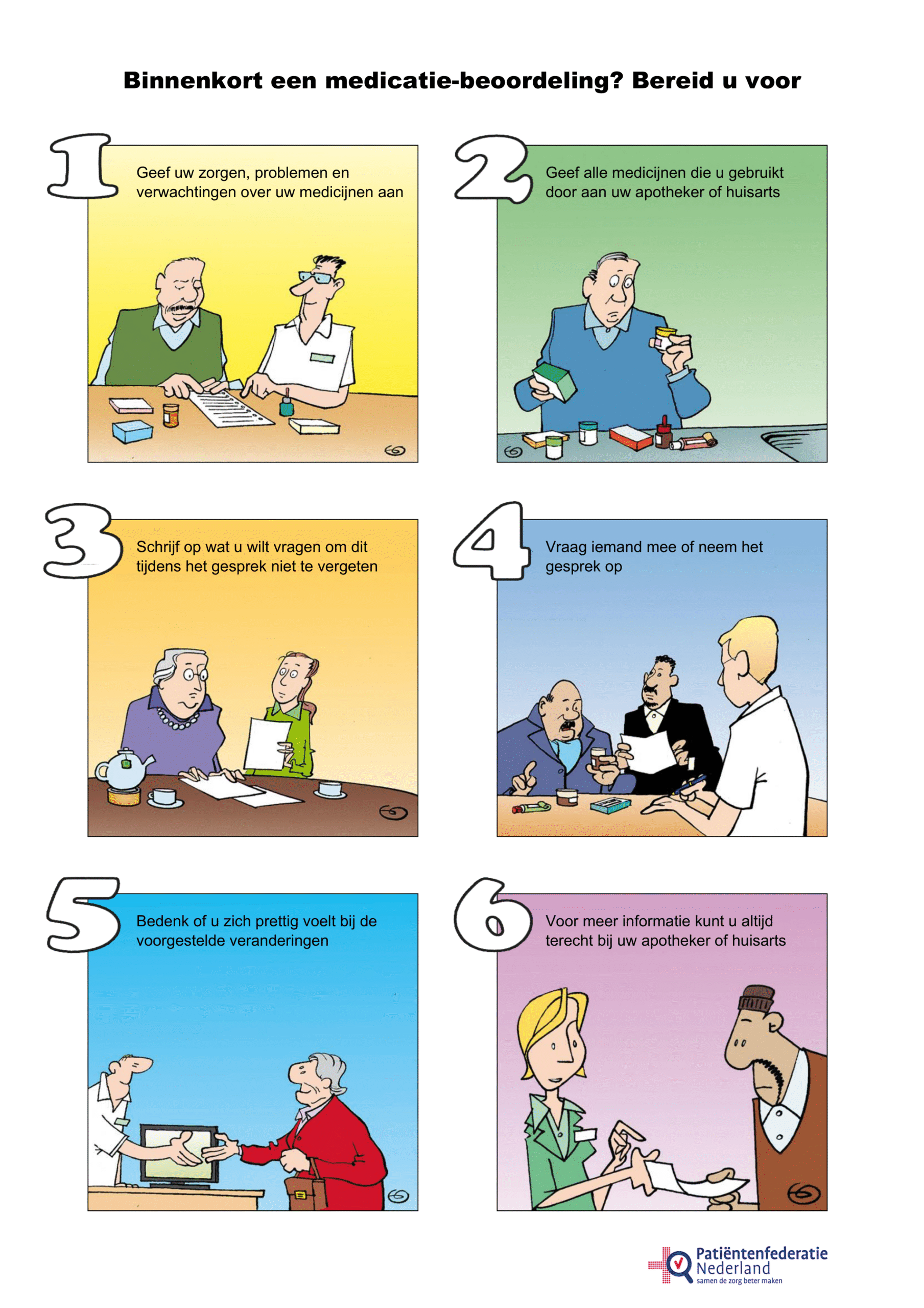
Een farmaceutisch consult is een persoonlijk gesprek tussen u en de apotheker, farmaceutisch consulent of apothekersassistent. In dit gesprek staan uw vragen en zorgen over uw medicijnen centraal. Samen kijken we naar uw medicatiegebruik, mogelijke bijwerkingen en hoe het gebruik voor u makkelijker kan worden.
Wat kunt u tijdens een consult bespreken?
- Klacht of bijwerking door medicijngebruik
- Problemen met het medicijngebruik, zoals slikproblemen of het kwijt zijn van het overzicht
- Het gelijktijdig gebruiken van meerdere medicijnen
- Het gebruik van medicijnen tijdens zwangerschap of borstvoeding
- Het afbouwen van medicijnen
Tijdens dit gesprek zullen we dieper ingaan op uw probleem of vraag, zullen we
u uitleg en advies geven en de mogelijkheden bespreken. Hier komt het een en ander bij kijken, waardoor er kosten aan het gesprek verbonden zijn. Het consult wordt vergoed door uw zorgverzekeraar. Wel kan uw eigen risico van toepassing zijn.
Wanneer u medicijnen bij de apotheek ophaalt, kosten deze medicijnen geld. Daarnaast betaalt u ook voor het werk dat de apotheek doet. Dit staat op de rekening van uw zorgverzekering als terhandstellingskosten. De meeste zorg die de apotheek levert valt onder de vergoede zorg vanuit de basiszorgverzekering. Wel is er een eigen risico van toepassing.
Afspraken met de verzekering
De apotheek maakt afspraken met alle zorgverzekeringsmaatschappijen in Nederland. Deze afspraken worden elk jaar of om het jaar opnieuw gemaakt. Zodra bekend is of de apotheek en de zorgverzekeraar een contract hebben afgesloten wordt
Wilt u weten wat de status is van deze contractonderhandelingen? U kunt dit terugvinden via de volgende link.
Een rekening van de apotheek
Wanneer een medicijn of een hulpmiddel niet wordt vergoed door de zorgverzekeraar en u niet in de apotheek heeft afgerekend, ontvangt u een rekening van de apotheek. De apotheken versturen de facturen via Infomedics. Dit gebeurt één keer per maand.
U ontvangt de factuur meestal per e-mail van Infomedics. Om deze te kunnen openen wordt er een code naar het mobiele nummer gestuurd dat bij ons bekend is. Is er geen e-mailadres van u bekend? Dan krijgt u de rekening per post, in een herkenbare roze envelop.
Heeft u wel een e-mailadres, maar wilt u de factuur liever per post ontvangen? Geef dit dan aan bij ons, dan passen wij dit voor u aan.
U kunt ook kiezen voor betaling via automatische incasso, zodat het bedrag vanzelf wordt afgeschreven. Bent u hierin geïnteresseerd? Geef dit dan door bij ons in de apotheek.
Infomedics hanteert eigen betaalvoorwaarden. Voor meer informatie hierover verwijzen wij u naar de website van Infomedics.
De kosten van medicijnen
Wilt u graag weten hoeveel een medicijn kost en wat de kosten zijn die u voor de apotheek betaalt? De overheid heeft hiervoor een website gemaakt. Al deze informatie kunt u terugvinden op medicijnkosten.nl. Ook kunt u op deze website vinden of de medicatie vergoed wordt door de zorgverzekering.
Steeds vaker komt het voor dat een medicijn niet leverbaar is. Al vier jaar zijn er van meer dan 1000 medicijnen tekorten bekend. Voor patiënten zijn geneesmiddelentekorten erg vervelend, omdat zij hierdoor terug moeten komen naar de apotheek of een ander middel moeten gebruiken. In de apotheek is men vervolgens veel tijd kwijt aan zoeken naar oplossingen voor geneesmiddelentekorten, om zo de gevolgen voor de patiënt te beperken.
Waarom niet beschikbaar?
Het kan voorkomen dat de fabrikant het medicijn niet meer wil maken, omdat de fabrikant hieraan te weinig verdient. Of fabrikanten verkopen een zeldzaam medicijn aan een land dat hier meer voor wil betalen.
Wat kan de apotheek doen?
Als uw medicijn er niet is, zoekt uw apotheker naar een vervanger, een alternatief. Het liefst een medicijn met dezelfde werkzame stof. Als dit niet kan, kiest de apotheker een ander medicijn met bijna dezelfde werking. U kunt dan een ander medicijn krijgen dan u gewend bent. Dit kan lastig voor u zijn. Bij een verandering van merk of medicijn zal uw apotheker hierover uitleg geven.
Soms kan de apotheker het medicijn uit het buitenland halen of het zelf bereiden. Dit is soms duurder en deze kosten betaalt uw zorgverzekeraar niet altijd. Uw apotheker zal dit met u overleggen en aangeven wat de kosten zijn. Heel soms lukt het de apotheek niet om een vervanger te vinden. Dan moet u het tijdelijk zonder een geschikt medicijn doen. Gelukkig gebeurt dit bijna nooit.
Wat kunt u zelf doen?
Natuurlijk bent u ook zelf verantwoordelijk voor uw eigen gebruik van medicijnen. U weet zelf hoeveel medicijnen u in huis hebt. Vraag op tijd nieuwe medicijnen aan.
Veel apotheken bieden een herhaalservice. Hiermee weet de apotheker precies welke medicijnen u gebruikt en wanneer u deze nodig hebt. Als één van de medicijnen er niet is, heeft de apotheker meer tijd om naar een oplossing te zoeken. Vraag naar de herhaalservice bij uw apotheek.
Gaat u binnenkort op reis? Onze twee apotheken informeren u graag waar u aan moet denken als u op reis gaat en medicijnen gebruikt.
Niet alle medicatie mag zomaar meegenomen worden naar het buitenland. Slaappillen, sterke pijnstillers en ADHD- en kalmeringsmiddelen mogen niet zomaar de grens over! U heeft hiervoor een medicijnverklaring nodig. Meer informatie kunt u vinden op de website van het CAK
Kom tijdens uw vakantie niet zonder medicijnen te zitten. Neem voldoende medicijnen mee voor uw vakantie, en voor de week erna. Controleer uw medicijnvoorraad ruim voor vertrek. En bestel ze op tijd bij uw apotheek.
In uw medicijnpaspoort staan alle gegevens over uw medicatie en andere zaken, zoals allergieën. U kunt een medicijnpaspoort zelf printen via MijnGezondheid.net via de Medgemak app of u kunt langskomen in de apotheek, dan printen wij het voor u.
Welke middelen neemt u mee tegen kwaaltjes of ziekten onderweg? Wat mag u niet vergeten als u ver of lang op vakantie gaat? Wat moet er in de verbanddoos? Apotheek.nl biedt een handige checklist voor uw eigen reisapotheek