
Care programs
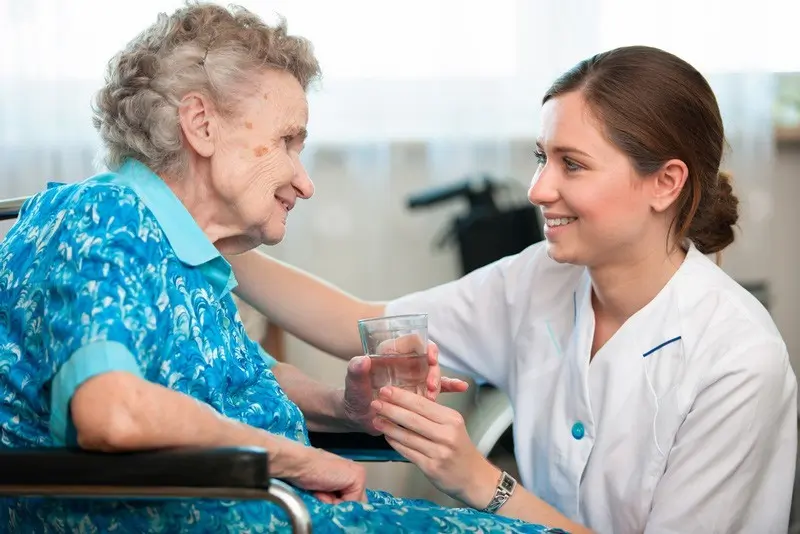
Health Centre Haarlemmermeer has made agreements with patients, primary care professionals, health insurers, and other healthcare providers regarding the improvement of care.
These agreements are recorded in care programmes. What does the care consist of, what does the schedule look like, in what form is the care provided, and who are the care providers? The total care for a patient is described in a care programme.
Diabetes Mellitus (diabetes for short) is a disease in which there is too much sugar in the blood. That is why it is also called sugar disease.
A first step in the treatment of diabetes is a healthy lifestyle. Eating well, exercising regularly, and losing weight if overweight are important in this regard. The treatment can be supplemented with medication. The Haarlemmermeer Health Centres offer additional care for people with diabetes: the diabetes care program.
In a care program, agreements are made with all involved healthcare providers. This ensures that care is optimally coordinated, and that you, as a client, receive care tailored to your personal situation.
- What is diabetes?
Insulin ensures that body cells absorb glucose (sugar) from the blood. In diabetes, the cells are less sensitive to insulin or the body produces too little of it. As a result, there is too much glucose in the blood. This does not necessarily cause immediate symptoms. Some people experience increased thirst, frequent and excessive urination, fatigue, itching, slow-healing wounds, and skin infections.
We speak of type 2 diabetes when the body's cells are (or have become) less sensitive to insulin. This form is common among the elderly and overweight people and is usually treated by the general practitioner.
We speak of type 1 diabetes when too little or no insulin is produced. This form often begins at a younger age and is treated by an internist.
On the website Test uw risico, you can check for yourself whether you have an increased risk of diabetes.
- You have diabetes, now what?
With diabetes, it is important to ensure that blood glucose levels do not become too high. Together with other risk factors such as high blood pressure and high cholesterol, excessively high blood glucose increases the risk of complications such as cardiovascular disease.
The GP and practice nurse will discuss the best treatment plan with you. This will be drawn up together with you. Afterwards, you will visit your GP, practice nurse, and/or center assistant regularly. During such a visit, a number of checks will be performed, and you can ask questions. It may be necessary for the GP to refer you to another healthcare provider.
Through the Chain Information System (KIS), patient data regarding diabetes is exchanged with various healthcare providers for optimal treatment.
COPD is an umbrella term for various lung diseases (emphysema, chronic bronchitis) in which lung capacity is reduced. COPD is particularly common among people over 40 who smoke.
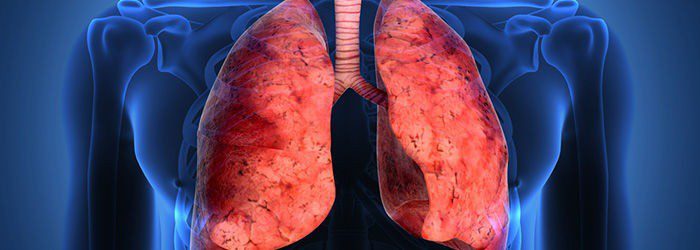
With COPD, it may mean that you need to adjust your lifestyle. Everyday activities can become more difficult, such as climbing stairs, getting dressed, or doing household chores. The Haarlemmermeer Health Centres offer extra care for people with COPD: the COPD care program.
In a care program, agreements are made with all involved healthcare providers. This ensures that care is optimally coordinated, and that you, as a client, receive care tailored to your personal situation.
- What is COPD?
COPD is an umbrella term for the lung diseases chronic bronchitis and emphysema. In both conditions, the lungs and airways are permanently inflamed, causing the alveoli to slowly break down. The damage to the lungs in COPD does not heal.
- You have COPD, now what?
Once a diagnosis of COPD has been established, the GP and practice nurse will discuss with you the options available to improve your quality of life. A treatment plan will be drawn up together with you. You will then visit the practice nurse at least once a year and, if necessary, the GP. During such a visit, a lung function test will be performed and your medication use will be reviewed, among other things. It may be necessary for the GP to refer you to another healthcare provider.
Through the Chain Information System (KIS), patient data regarding COPD are exchanged with various healthcare providers for optimal treatment.
Cardiovascular disease (CVD) is an umbrella term for various diseases of the heart or blood vessels.
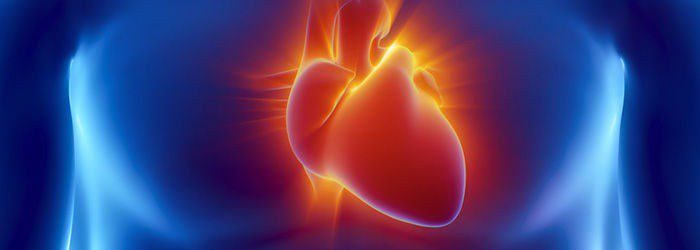
The Haarlemmermeer Health Centres have a special care program for cardiovascular diseases to help you live as well as possible with this chronic condition.
In a care program, agreements are made with all involved healthcare providers. This ensures that care is optimally coordinated, and that you, as a client, receive care tailored to your personal situation.
- What are cardiovascular diseases
The best-known cardiovascular diseases are atherosclerosis, chest pain, a heart attack, a stroke, and kidney damage. The risk of these is increased with diabetes mellitus, rheumatoid arthritis, high blood pressure, the use of certain medications, high cholesterol, and stress.
The risk factors for developing cardiovascular disease are (further) smoking, lack of physical activity, excessive alcohol consumption, unhealthy diet, and being overweight.
- Increased risk
During a visit to the general practitioner, they will determine whether you have an increased risk of cardiovascular disease, depending on your symptoms.
If it appears that you have an increased risk, you are expected to attend regular check-ups. These are with the practice nurse or assistant, and if necessary, also with the GP.
- You have cardiovascular disease, what now?
Your GP will be notified when you have had a check-up with a specialist. If possible, the GP and/or practice nurse will take over the treatment.
The goal of the treatment is to prevent recurrence. The GP and practice nurse will discuss with you the available options to prevent recurrence and what the best treatment plan is. This will be drawn up together with you. Afterwards, you will visit your GP or practice nurse regularly.
During such a visit, a number of checks are performed and you can ask questions. It may be necessary for the GP to refer you to another healthcare provider.
Through the Chain Information System (KIS), patient data regarding cardiovascular diseases are exchanged with various healthcare providers for optimal treatment.
Depression is a condition in which a gloomy mood persists for weeks, causing you to lose interest in everything and disrupting your daily activities.

A depressive episode has a significant impact on a person's life and that of those around them. Therefore, the Haarlemmermeer health centers offer extra care for people with depression: the depression care program.
In a care program, the various healthcare providers involved in the care make agreements with each other so that the care is optimally coordinated.
They have good agreements with each other, but also make agreements with the client. So that you, as a client, receive care that matches your personal situation.
- What is depression?
Everyone feels down from time to time in response to a disappointment or loss. This is normal and passes on its own. In such cases, one can speak of depressive symptoms. Depression is a gloomy mood that persists for weeks, causing you to lose interest in everything and disrupting your daily activities.
- Features
Depression can manifest in various ways. You suffer from at least:
- gloominess and listlessness for most of the day and/or
- much less interest in almost all things that otherwise interest you.
Furthermore, there are other symptoms such as: poor concentration, difficulty making decisions, sleeping poorly or excessively, feeling sluggish and tired or conversely restless and easily irritated, food often tasting tasteless or eating excessively. Sometimes it is such a difficult period that a person temporarily loses the will to live and even longs for death.
- To arise
Usually, various factors play a role in the development of depression. Common factors include heredity or predisposition, a traumatic event, and a chronic illness. Depression can last for months but usually resolves on its own within six months.
- You have depression, and then what?
If you have been diagnosed with depression, it is important to maintain regularity in your life. Furthermore, ensure you get physical exercise such as walking, cycling, or other sports, and seek distraction in activities that you find pleasant or relaxing.
In addition, there are various treatments to accelerate recovery from depression or to support you.
The GP or mental health practice assistant draws up a treatment plan together with you. You visit your GP or mental health practice assistant regularly. During such a visit, you receive information and advice, and you can ask questions.
You can also be supported by:
Problem-driven therapy
Sometimes it can be helpful to list all problems. Tackling and resolving problems step by step can contribute significantly to resolving depression. This form of therapy is called 'problem-solving therapy' and is supervised by practice support staff.
Psychosomatic physiotherapy
For clients with depressive symptoms and/or tension, there is a specialization within physiotherapy: psychosomatic physiotherapy. Psychosomatic physiotherapists are specially trained to teach you how to relax your body again. Furthermore, they can learn to recognize and influence physical complaints that are often related to your gloomy mood. They offer a wide range of services: individually or in group settings.
Mindfulness
By consciously bringing your attention to your posture, movement, and breath, from a non-judgmental attitude, you learn to worry less about the past or get bogged down in the future.
Let yourself be carried away less by difficult emotions and impulses. Learn to take good care of yourself as well.
See the Physiotherapy for more information.
Medication
If a depression is severe, it may be necessary to support you with medication: antidepressants. These are prescribed by the general practitioner. If necessary, the general practitioner can request medication advice from a psychiatrist. The pharmacy can provide you with further information on how to take them and monitors whether they can be combined with your other medications. You can also contact them with questions about side effects.
Support with practical problems
You can turn to a social worker for solving practical problems.
- You have depression, and then what?
Basic Mental Healthcare
If there are strong indications of depression and the mental health practice assistant or the general practitioner are unable to provide sufficient help, you may be referred to a psychologist in basic mental health care.
Specialized Mental Healthcare
If the problems are very complex, you may be referred to a specialized psychologist.
Asthma is a respiratory condition in which small inflammations in the lungs can cause bothersome symptoms. The Haarlemmermeer Health Centers have a special asthma care program to help you and teach you how to manage this chronic condition as effectively as possible.
In a care program, agreements are made with all involved healthcare providers. This ensures that care is optimally coordinated, and that you, as a client, receive care tailored to your personal situation.

- What is asthma?
In asthma, small inflammations are always present in the lungs. These inflammations can cause bothersome symptoms. Patients may experience varying symptoms, such as shortness of breath, tightness in the chest, wheezing, and (nocturnal) coughing.
These symptoms occur because your lungs sometimes react very sensitively to triggers, such as smoke, exhaust fumes, dust mites, or pets. When these symptoms come on suddenly, we call it an asthma attack. Not everyone reacts to the same triggers, and the severity of asthma varies from person to person. There are different types of asthma.
Asthma primarily develops at a young age, but it is also possible to experience symptoms for the first time only at a later age.
Asthma does not cause symptoms every day, yet it is a disease that does not go away.
- You have asthma, now what?
Once a diagnosis of asthma has been made, the General Practitioner and Practice Nurse (POH) discuss the options available to minimize asthma symptoms in daily life.
If you require maintenance medication for asthma, it is important that you visit the Practice Nurse (POH) once a year, or the General Practitioner (GP) if necessary. During such a visit to the GP or Practice Nurse, a lung function test can be performed, your medication can be adjusted if needed, and attention is paid to optimizing the technique for inhaling the medication.
Through the Chain Information System (KIS), patient data regarding asthma is exchanged with various healthcare providers for optimal treatment.
In the coming years, the number of elderly and chronically ill people will increase significantly. As care for the elderly becomes increasingly complex, it is important that various healthcare providers collaborate to provide the elderly with the right care.
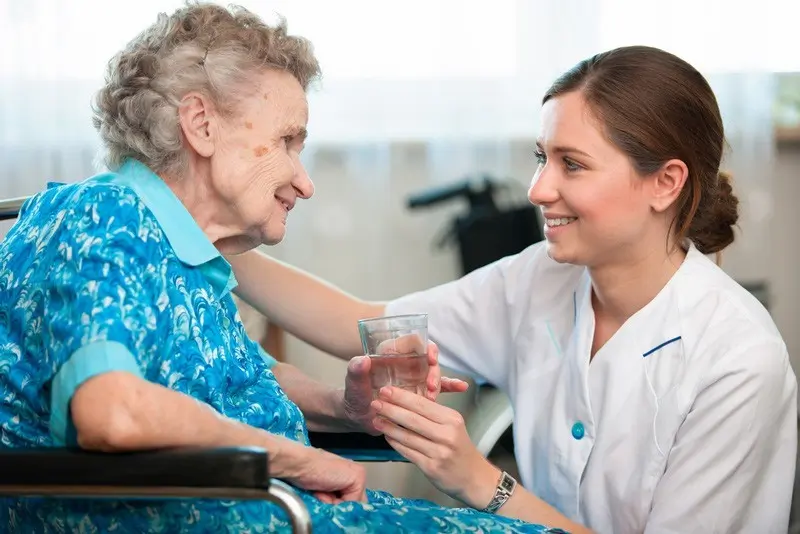
The Haarlemmermeer health centers have a special elderly care program to help you continue living at home for as long as possible with the right care.
In a care program, agreements are made with all involved healthcare providers. This ensures that care is optimally coordinated, and that you, as a client, receive care tailored to your personal situation.
- Who is the elderly care program for?
The risk of complex issues increases when a person is over the age of 70. This can be related to illnesses or disabilities, but also to the loss of a partner. The elderly care program offers integrated care so that the elderly person can live independently for as long as possible.
The healthcare providers at the health centers can offer this care, but you can also ask for guidance yourself.
- What can you expect from the care program?
The program starts with a consultation with the practice nurse. This can take place at your home or at the health center. Various topics are discussed based on a questionnaire. The practice nurse can then provide you with concrete advice tailored to your personal situation. The consultation lasts approximately 45 minutes.
After the consultation, the GP and practice nurse will discuss with you the options available to maintain or improve your quality of life and which components of the elderly care programme can be utilized for you. Your medication use will be reviewed with the pharmacist. If necessary, a treatment plan will be drawn up together with you.
Through the Chain Information System (KIS), patient data regarding elderly care is exchanged with various healthcare providers for optimal treatment.