Child and Youth
You sometimes need help or advice from a professional regarding your child's upbringing and health. At Gezondheidscentra Haarlemmermeer, we offer various care programs for children and adolescents, and we have specialized practice support staff in the field of youth mental health. You can find more information about care programs and youth mental health services in the menu on the right.
Consent for minors
For the treatment of a minor, consent from their legal representative is required. All information regarding this consent is described on the KNMG website.
In short:
- For children under 12 years of age, the consent of the parents or guardians is required.
- For young people aged 12 to 16, the consent of the parents or guardians and of the young person themselves is required.
- Young people aged 16 and over make their own decisions and have an independent right to information. Parents do not need to give consent for medical treatment.
Gezondheidscentra Haarlemmermeer is a partner of JOGG-Haarlemmermeer. JOGG stands for Jongeren Op Gezond Gewicht (Youth at a Healthy Weight). The municipality, social organizations, and the (local) business community work together towards a healthy youth in a healthy environment.
- Healthy food
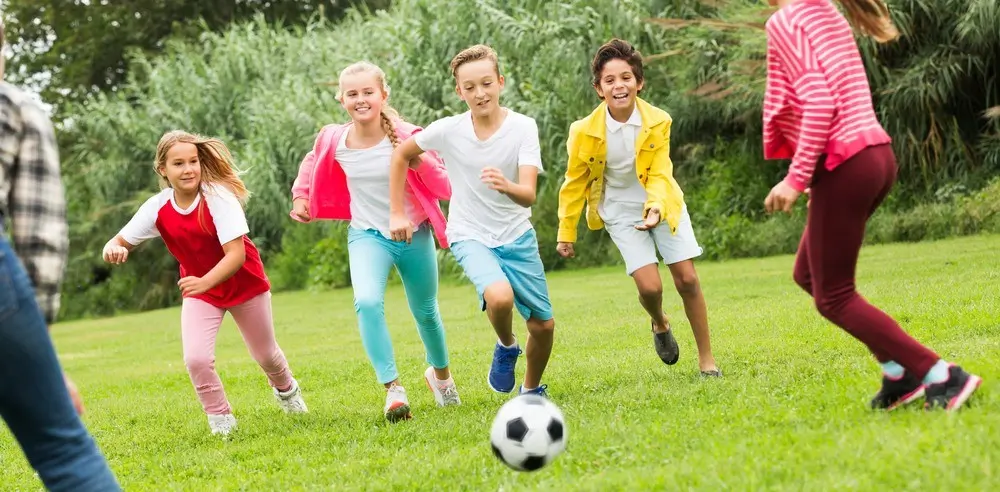
Healthy nutrition, together with sufficient exercise, is the foundation for a healthy weight. It is important that children learn from an early age that healthy food is tasty and that exercise is fun and enjoyable. Therefore, start as early as possible.
You might think: surely being a little chubby isn't so bad? Unfortunately, research shows that overweight children suffer from this. They feel less healthy and less happy. For example, because it is a bit more difficult for them to exercise or because they feel a little embarrassed in front of their friends.
Fit children feel better about themselves, participate better at school, and often remain healthier in the future. A child who learns healthy habits from an early age therefore benefits greatly from this, both now and later.
- What can you do yourself?
Giving your child the best while also thinking about healthy choices isn't always easy. That's why we've put together a few tips.
- Healthy food
A healthy diet includes eating breakfast every day, consuming sufficient fruits and vegetables, and avoiding soft drinks. Breakfast is the most important meal of the day. Take the time to enjoy a leisurely breakfast. Having a sweet is perfectly fine, but limit it to one candy a day or only on special occasions.
- Get enough exercise
To stay healthy as a child, it is good to exercise for 60 minutes a day. That seems like a lot, but it is actually quite manageable. After all, you can exercise anytime and anywhere! Just think of climbing in the playground, playing football in the square, or cycling to school.
- Less use of smartphone, TV, and computer
If your child is looking at a smartphone, watching TV, or sitting at the computer, they are not active. Therefore, make clear agreements regarding smartphone use, computer use, and watching TV. For example, a maximum of 2 hours per day in total, or only certain programs. Then turn off the smartphone, TV, or computer. Let your child play outside for a good long time.
- Drinking water is very normal!
Water is healthy and refreshing. You can drink it from the tap or from the bottle. Drink a glass of water at least twice a day. This keeps a child nice and fit!
- Sweet drinks
Our bodies consist largely of water. To stay healthy, it is important to drink enough. Many children love sweet drinks. However, sweet drinks contain a lot of sugar, which makes you fat. Did you know, for example, that one carton of Wicky contains 4 sugar cubes? And one glass of cola contains 5 sugar cubes?
- Recommended amount
If your child is thirsty, give them tap or bottled water. If you want to give something with flavor, give (fruit) tea without sugar, broth, buttermilk, or milk. In light drinks, the sugar is replaced by sweeteners. Sweeteners are artificial substances. It is not at all necessary to give children light drinks. If you do, the advice is to give a light drink no more than twice a day.
- Did you know?
Tap water is just as clean and fresh as bottled water. Choose two 'water drinking moments' per day together with your child. More water is always allowed!
Water not only contains all kinds of minerals your body needs, but it is also an excellent thirst quencher without sugar, sweeteners, fat, or artificial colors. And… it contains 0.0 calories.
In the Netherlands, you get no less than 200 liters of tap water for an average of 30 euro cents; that is about 1,000 glasses. That is exceptionally cheap.
Water does not always taste the same. You can do fun experiments with your child to see what happens when you put lemon, mint, strawberry, or a tea bag in the water. See together with your child which tastes best.
- Need help?
Do you have questions about healthy growth and parenting? Then please contact the Centre for Youth and Family Haarlemmermeer.
There are also various programs for children and young people with mild to severe overweight. If you would like more information about this, please contact Sportservice Haarlemmermeer.
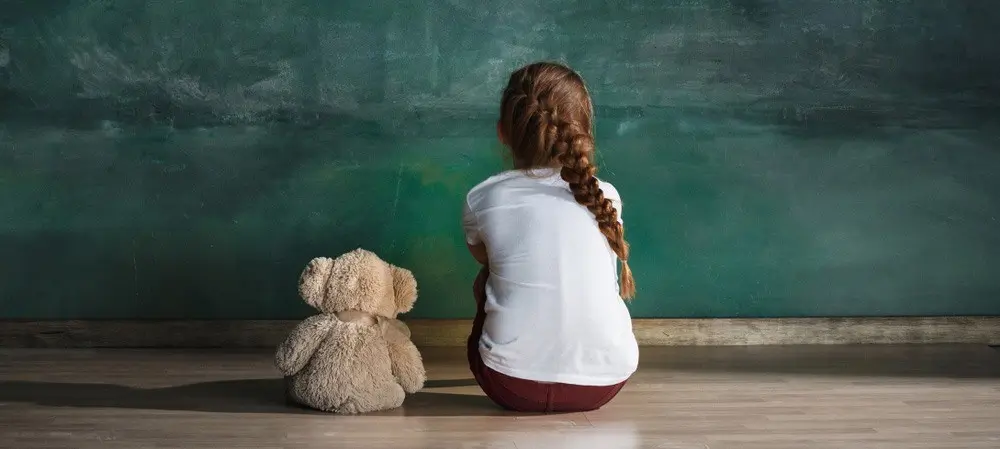
For young people, the health centers have a Mental Health Practice Assistant specialized in youth. Upon referral from the general practitioner, a Youth Mental Health Practice Assistant provides support to young people with a wide range of psychological problems. This support is easily accessible and can offer solutions for various questions regarding the development of children and young people.
- For which issues is there POH-GGZ for youth?
Our Youth Mental Health Practice Nurse can provide guidance on a wide range of issues regarding the development of children and adolescents. Common questions a Youth Mental Health Practice Nurse deals with include:
- parenting issues
- behavioral problems
- guidance for AD(H)D
- Having no interest in anything, not even things your child normally enjoys
- not wanting to go to school
- trouble falling asleep or staying asleep
- low self-confidence ('I can't do anything', 'nobody likes me')
- school performance is declining
- withdrawn behavior: being quieter or getting tired quickly and frequently
- behavioral problems, for example explosive reactions/getting angry quickly(er)
- unexplained physical complaints, such as abdominal pain or headache
- parenting problems
- fear of failure, social anxiety, or other impediments that cause your child to avoid situations.
- Make an appointment
Before you can make an appointment with the POH-GGZ Youth, you must first visit your GP. The GP can then refer you to one of the POH-GGZ Youth.
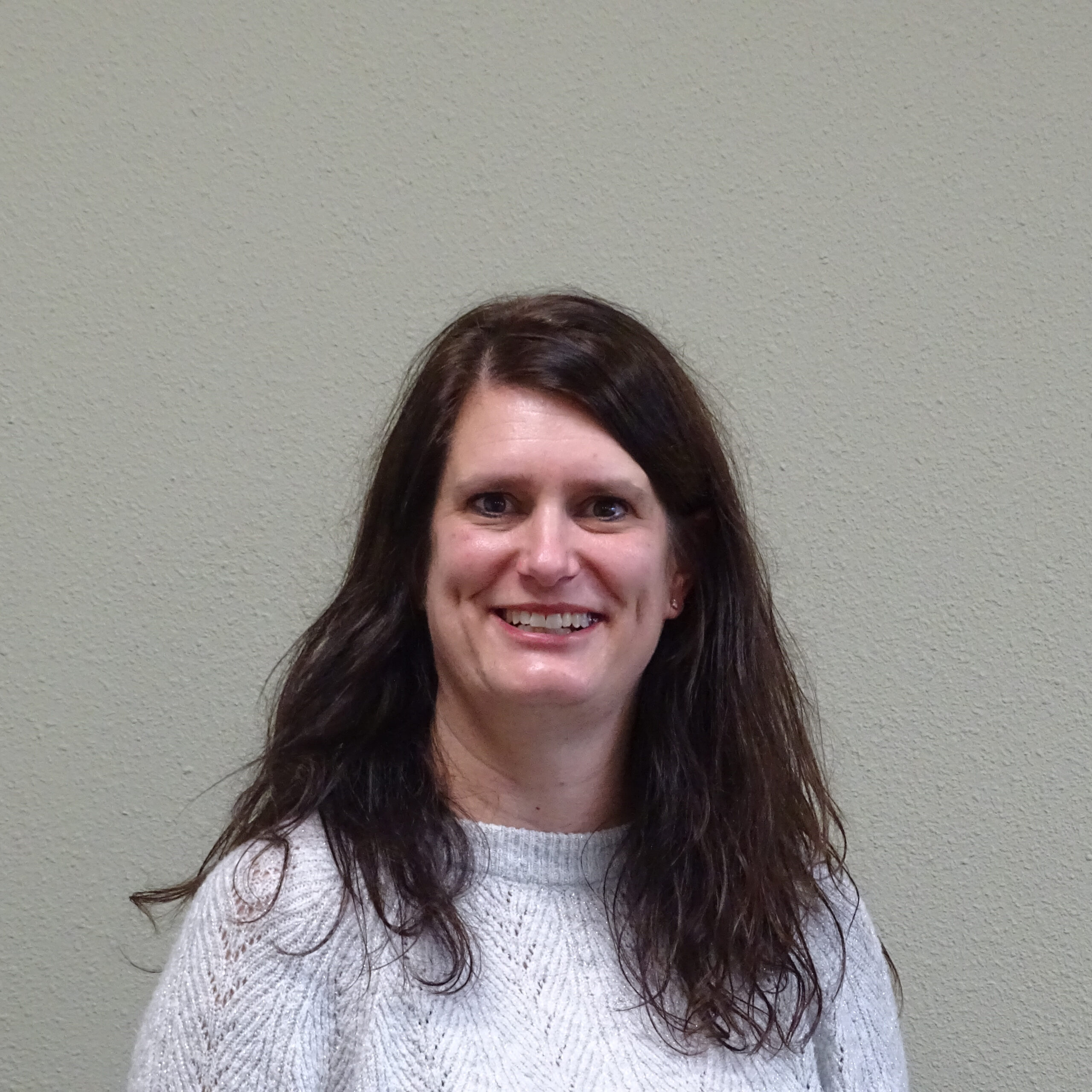
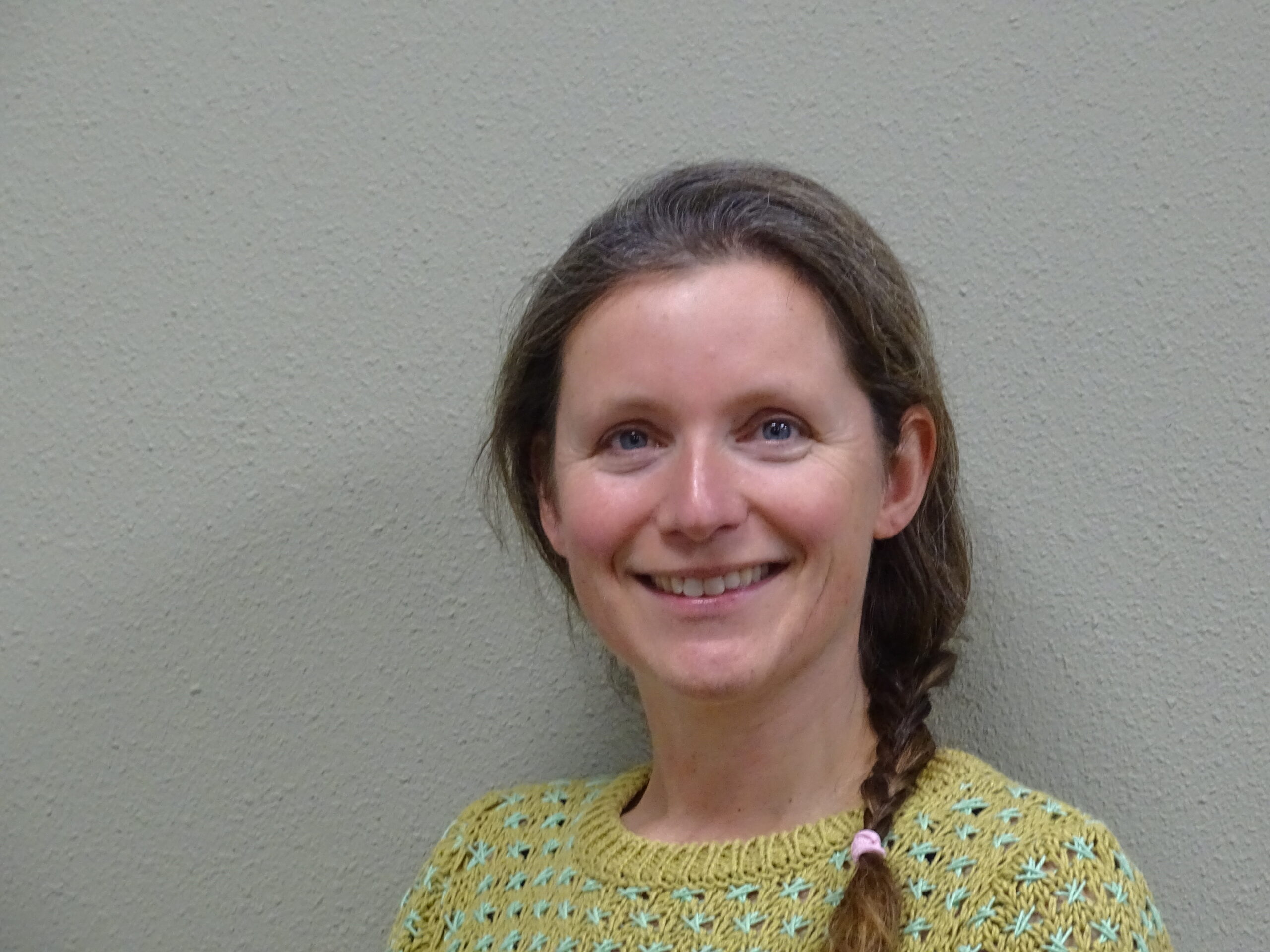
Ms. L. van Ginkel
- Present: Tue, Wed, Fri
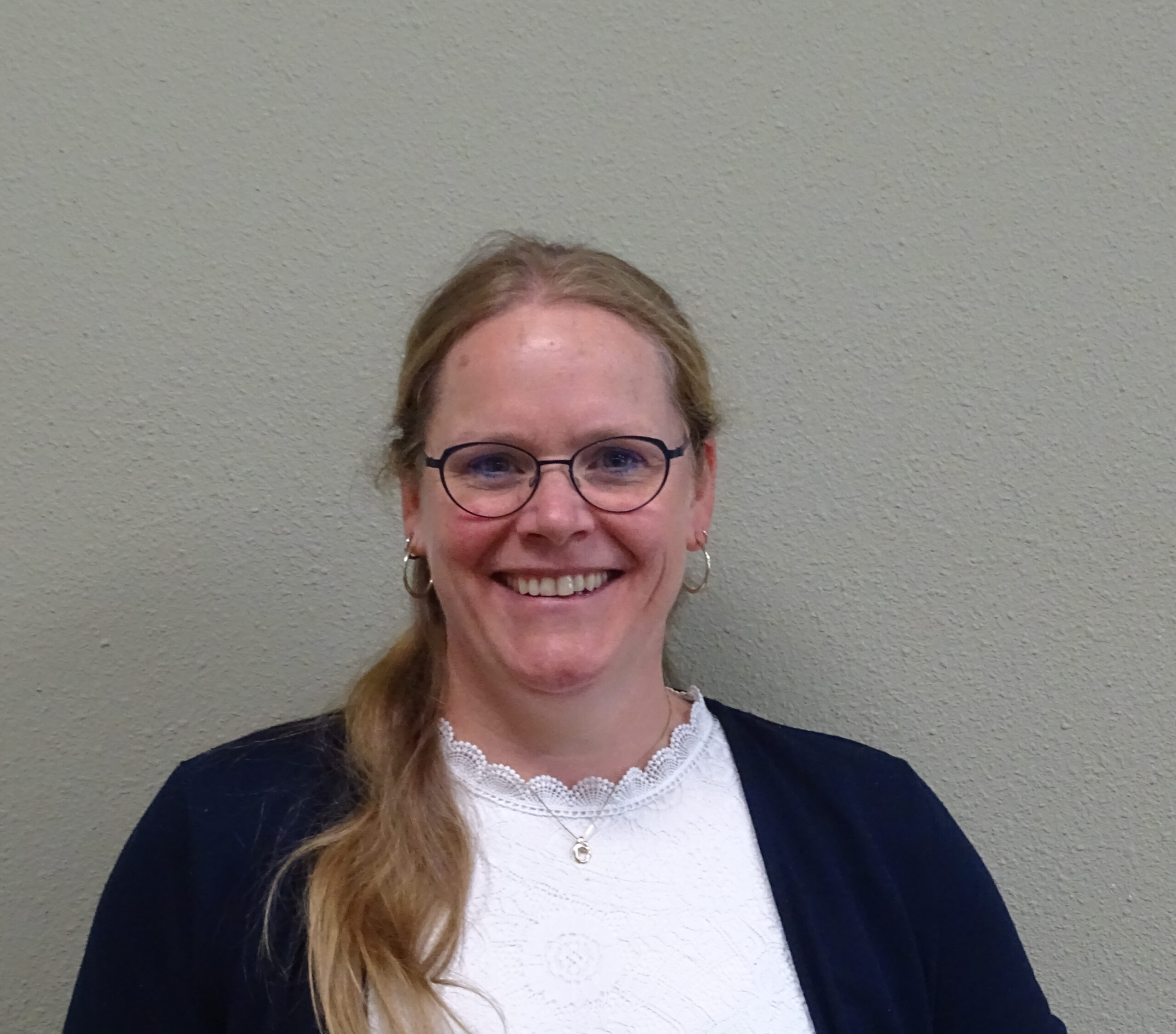
Ms. J. Dessens
- Present: Mon, Tue, Wed, Thu
Ms. M. vd Strate
- Present: Tue, Wed, Thu
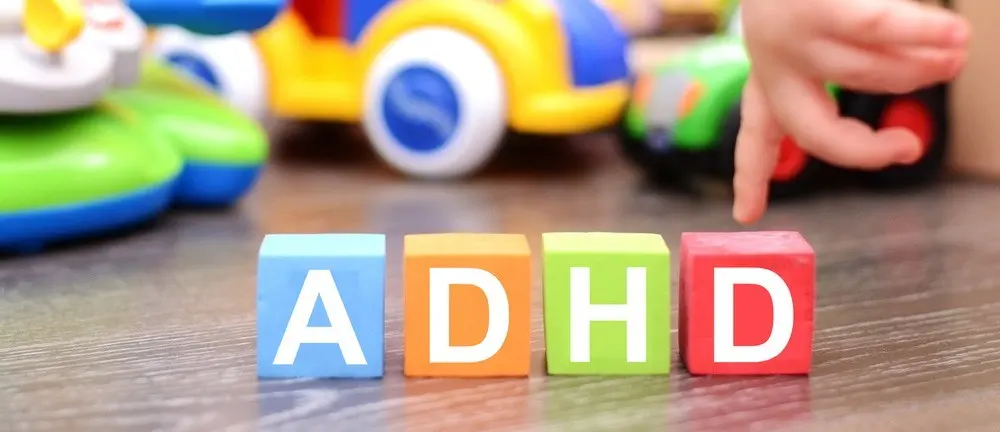
ADHD is an attention deficit disorder that occurs in both children and adults. Someone with ADHD has difficulty concentrating, is easily distracted, and may exhibit hyperactive behavior. This behavior can cause problems at school, at home, and in interactions with others.
- Characteristics of children with ADHD
Young children with ADHD stand out primarily because they:
- having difficulty sitting still
- easily distracted
- hard of them to wait their turn
- rushing from one activity to another
- unable to play quietly
- talking excessively
- interrupting others
- not listening to what others say
- often throw themselves into dangerous situations
- difficulty following instructions
- reacting differently to punishment and reward
- to lose a lot or often lose something
- difficulty maintaining focus
- having difficulty controlling oneself
- Accompaniment
In the event of symptoms or a suspicion of ADHD, a general practitioner can refer a person to a mental health practice assistant (POH-GGZ). A POH-GGZ Youth can assess the issues and, for example, support and guide children with ADHD and their parents. For treatment and diagnosis, a POH-GGZ Youth refers to specialist mental health care.