
Kinderfysiotherapie
Waarom Kinderfysiotherapie bij GC Haarlemmermeer?
Kinderen leren spelenderwijs. Door te bewegen en te spelen ontwikkelen kinderen hun zintuigen en motoriek. Bij sommige kinderen is er sprake van een vertraagde of afwijkende ontwikkeling. Dat kan komen door een aandoening aan de zintuigen, organen, het zenuwstelsel of het houdings- en bewegingsapparaat. Hierdoor kunnen kinderen te weinig motorische ervaring opdoen. Ze hebben meer oefening nodig om een bepaalde vaardigheid onder de knie te krijgen. Al deze kinderen kunnen baat hebben bij een behandeling door een kinderfysiotherapeut.
De geriatrie fysiotherapeut heeft na de opleiding fysiotherapie nog een aanvullende Master opleiding gevolgd waarbij het onderzoeken en behandelen van ouderen centraal staat. De ouderenzorg fysiotherapeut heeft aanvullende scholing gevolgd om gespecialiseerde fysiotherapeutische zorg te leveren aan ouderen.
De geriatriefysiotherapeut en de fysiotherapeut voor ouderen zijn beiden getraind om niet alleen de klacht van de patiënt te verminderen, maar ook te kijken in hoeverre hun thuissituatie van invloed is op de klachten. Hierdoor kan iemand langer thuis wonen. Zij doen met de patiënten vooral oefeningen, die gericht zijn op het herwinnen van en omgaan met verlies van mobiliteit en zelfstandigheid. De therapie bestaat vaak uit oefenen en trainen van de (dagelijkse) handelingen die problemen geven. Hierbij komt de geriatriefysiotherapeut ook regelmatig aan huis, omdat het behandelen/trainen van ouderen in hun eigen woonomgeving van groot belang is voor het behouden van zelfstandigheid.
De geriatriefysiotherapeut en de fysiotherapeut voor ouderen adviseren en begeleiden ook gezinsleden en eventuele mantelzorgers over het ziektebeeld, de vooruitzichten, de behandeling, dagelijkse handelingen en hulpmiddelen.
Wat is het verschil tussen een algemeen fysiotherapeut en een kinderfysiotherapeut?
De kinderfysiotherapeut is gespecialiseerd op het gebied van bewegend functioneren van kinderen en jeugdigen tussen 0 en 18 jaar. Iedere leeftijdscategorie heeft zijn eigen motorische ontwikkeling. De kinderfysiotherapeut heeft na zijn opleiding fysiotherapie een Master kinderfysiotherapie van 4 jaar gevolgd.
Wanneer wordt een kind verwezen naar kinderfysiotherapie?
Indicaties voor kinderfysiotherapie zijn o.a.:
- Bij zuigelingen
- motorische ontwikkelingsachterstand
- voorkeurshouding, met soms een afplatting van het hoofd
- onrust, veel huilen of billenschuiven
- billenschuiven
- anders bewegen
- moeite met gaan staan of lopen
- Bij peuters en kleuters
- veel vallen en struikelen
- angst voor bewegen, moeite met klimmen en klauteren
- problemen met grove motoriek (bijvoorbeeld op 1 been staan)
- weinig variatie in bewegen of eenzijdig bewegen
- fijne motoriek problemen, zoals kleuren tussen de lijntjes of knutselen
- Bij basisschoolleeftijd
- achterstand in motorische vaardigheden zoals fietsen, rennen, balvaardigheid, hinkelen en springen
- moeite met handvaardigheid, schrijven of knutselen
- onhandigheid, stoten of botsten tegen dingen
- moeite met stilzitten en/ of concentratie
- lichamelijke klachtenhoofdpijn, pijn in rug of arm of been (sport)blessures
- overgewicht in combinatie met te weinig beweging
- ademhalingsklachten
- revalidatie na fracturen en/of operaties
- aangeboren afwijkingen / neurologische afwijkingen
- sensorische informatie verwerking problemen bijv. moeite met stil zitten en/of concentratie)
- DCD (Developmental Coördination Disorder)
- houdingsproblemen (slappe houding / slecht lichaamsgevoel)
- bewegingsangst
- Bij Pubers en Jongeren:
- problemen met schrijven
- problemen met de grove motoriek (o.a. vangen en rennen)
- lichamelijke klachten
- (sport) blessures
- hoofdpijnklachten
- overgewicht in combinatie met weinig bewegen
- ademhalingsklachten
- revalidatie na fracturen of operaties
- houdingsproblemen (slappe houding / slecht lichaamsgevoel)
Voor meer informatie over de behandeling van hoofdpijn bij kinderen, kunt u ook onze pagina over paramedisch hoofdpijnbehandelcentrum raadplegen.
Hoe werkt de kinderfysiotherapeut?
Door middel van intake, onderzoek en gestandaardiseerde tests krijgt de
kinderfysiotherapeut een volledig beeld van het motorische niveau. De ouders, leerkracht, huisarts en andere betrokkenen spelen hierbij een belangrijke rol. Zij geven informatie over hoe het kind zich onder verschillende omstandigheden gedraagt. De therapeut bespreekt de bevindingen en stelt een behandelplan op.
Hoe wordt er behandeld?
De behandeling is erop gericht de motorische ontwikkelingsmogelijkheden van het kind te vergroten. Het doel is dat het kind beter functioneert in zijn fysieke en sociale omgeving. Functionele aspecten spelen tijdens de behandeling een centrale rol. Het oefenmateriaal is speciaal ontwikkeld voor kinderen en moet het plezier in bewegen vergroten en bepaalde motorische functies aanspreken.
De duur van de behandeling is uiteraard afhankelijk van de aard en de omvang van de klacht en de hulpvraag. Soms is alleen een advies al voldoende, bijvoorbeeld houdings- of sportadvies. Bij chronische klachten kan de behandeling langere tijd duren.
Als het nodig is, kan de behandeling ook thuis plaats vinden. Dat geldt vaak voor kinderen van 0 tot 2 jaar, of kinderen met een ernstige handicap.
Kinderfysiotherapie op school
Kinderfysiotherapie op school wordt aangeboden om motorische problemen (grove- en fijne motoriek) of prikkelverwerkingsproblematiek te behandelen in de leeromgeving van het kind.
Door het behandelen om school is er een effectieve samenwerking tussen de leerkracht, intern begeleider en de kinderfysiotherapeut.
Op initiatief van ouders, of na advies van school, wordt het kind door ouders aangemeld bij de praktijk GC haarlemmermeer. Er wordt een afspraak met ouders gepland voor het intake gesprek waar het kind bij is. Voor behandeling op school is een verwijsbrief van de huisarts nodig. Bij het intakegesprek is tenminste een van de ouders en het kind aanwezig, hierna kan er op school behandeld worden. Bij het intakegesprek wordt er direct een afspraak gemaakt voor een evaluatiemoment en wordt een behandelovereenkomst ondertekend. In de vakanties wordt er doorbehandeld op GC Floriande. Er wordt geen onderzoek of behandeling gestart zonder toestemming van ouders. Ook zal er geen screening in klassen plaatsvinden om de klas te beoordelen op de motoriek.
Wij hebben een samenwerking met basisschool de Optimist en Community School “in de Breedte” (de Brandaris en Klavertje Vier).
Kinderfysiotherapie in een kinderdagverblijf of Medisch opvang centrum:
De kinderfysiotherapeuten zijn ook werkzaam op MOC ‘t Kabouterhuis in Hoofddorp en KDV de Boshoeve in Nieuw Vennep. Hier wordt intensief samengewerkt met de regiebehandelaar van het kind en overige disciplines werkzaam in de instelling.
Kinderfysiotherapeuten
Zoekt u een ervaren kinderfysiotherapeut in Hoofddorp gespecialiseerd in Sensorische Integratie? Onze kinderfysiotherapeuten helpen uw kind verder bij zijn of haar ontwikkeling.
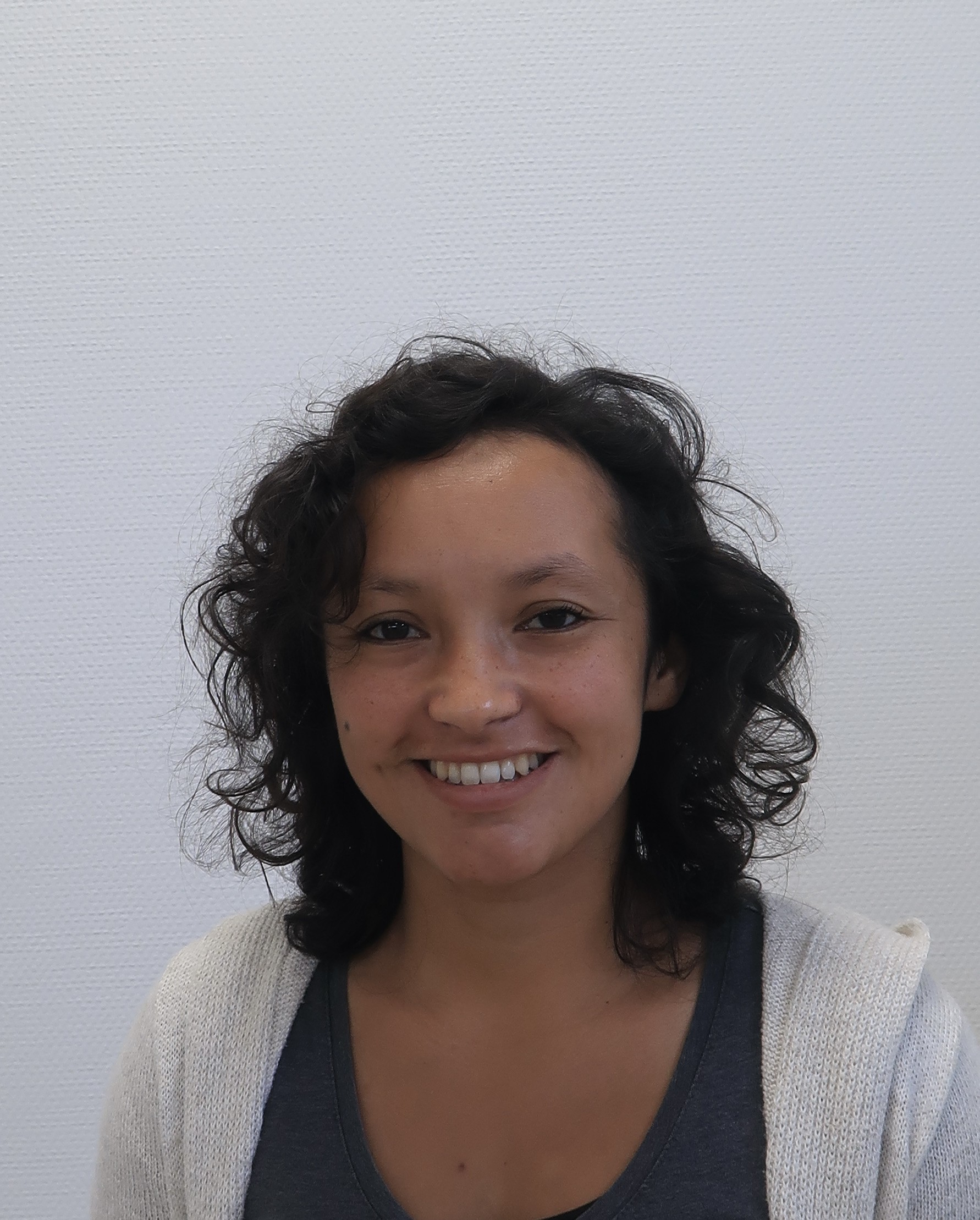
Catalijn Brandjes
- Kinderfysiotherapeut Msc. en sensorische integratie therapeut met specialisatie fijne motoriek
- BIG-nr: 49918571404
- Floriande
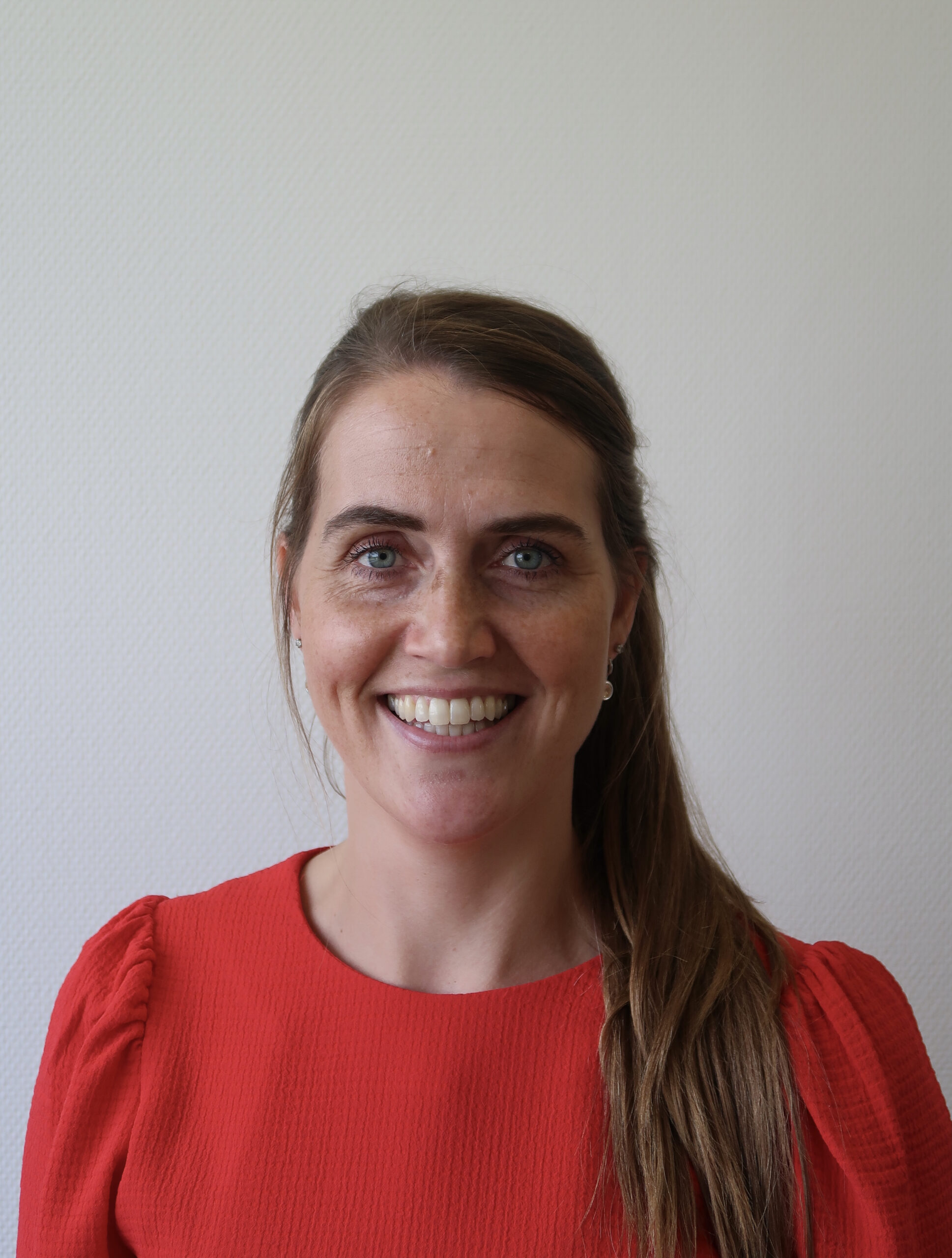
Nathalie Keijzerswaard - Rooijers
- Kinderfysiotherapeut Msc. en sensorische integratie therapeut met specialisatie orthopedie
- BIG-nr: 69914318304
- Floriande en Drie Meren
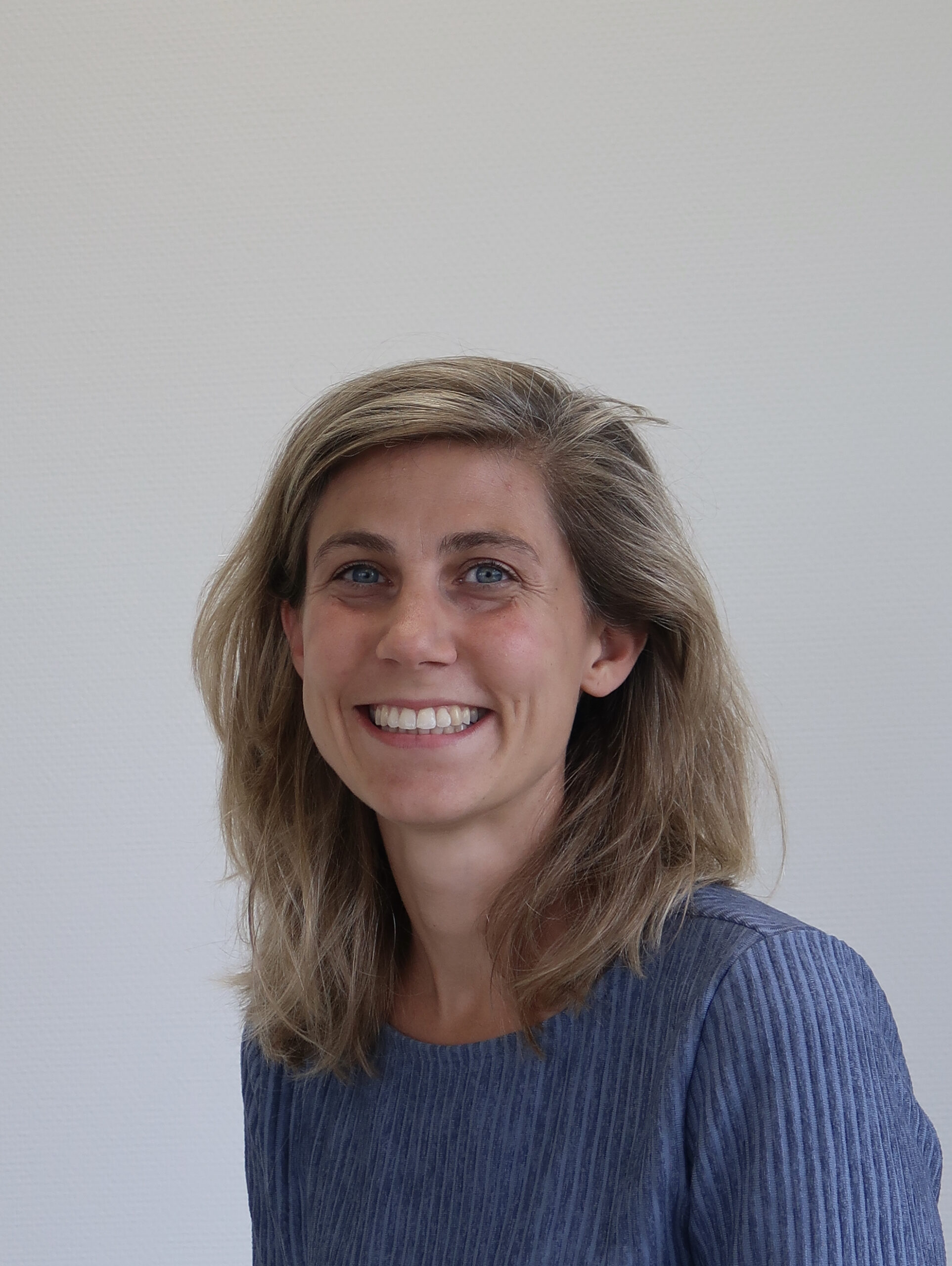
Michelle Koopman
- Kinderfysiotherapeut Msc. en sensorische integratie therapeut met specialisatie Hoofdpijn
- BIG-nr: 39911456804
- Floriande