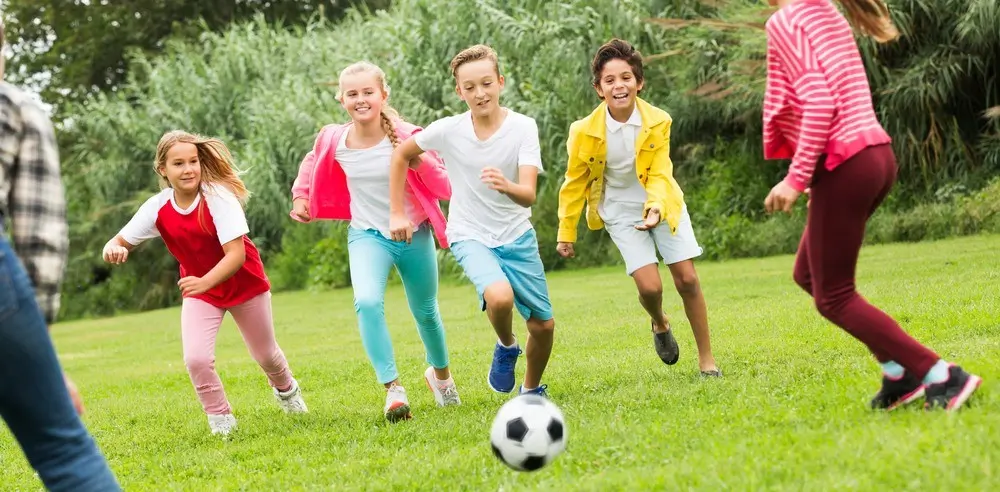
Kind en Jeugd
Bij de opvoeding en gezondheid van uw kind heeft u soms hulp of advies van een professional nodig. Bij de Gezondheidscentra Haarlemmermeer bieden wij verschillende zorgprogramma’s voor kind en jeugd en wij hebben gespecialiseerde praktijkondersteuners op het gebied van de geestelijke gezondheid van jeugd. Meer informatie over zorgprogramma’s en jeugd ggz vindt u in het menu hiernaast.
Toestemming bij minderjarigen
Voor de behandeling van een minderjarige is toestemming nodig van hun wettelijke vertegenwoordiger. Alles over deze toestemming staat beschreven op de website van de KNMG.
In het kort:
- Bij kinderen tot 12 jaar is de toestemming van de ouders of voogden vereist.
- Bij jongeren van 12 tot 16 jaar is de toestemming van de ouders of voogden en van de jongere zelf vereist.
- Jongeren vanaf 16 jaar beslissen zelfstandig en hebben een zelfstandig recht op informatie. Ouders hoeven geen toestemming te geven voor een medische behandeling.
Gezondheidscentra Haarlemmermeer is partner van JOGG-Haarlemmermeer. JOGG staat voor Jongeren Op Gezond Gewicht. Gemeente, maatschappelijke organisaties en (lokaal) bedrijfsleven werken samen aan een gezonde jeugd in een gezonde omgeving.
- Gezonde voeding
Gezonde voeding is samen met voldoende bewegen de basis voor een gezond gewicht. Het is belangrijk dat kinderen van jongs af aan leren dat gezond eten lekker is en bewegen leuk en gezellig. Begin er daarom zo vroeg mogelijk mee.
U zult misschien denken: een beetje mollig is toch niet erg? Helaas blijkt uit onderzoek dat kinderen met overgewicht hier last van hebben. Ze voelen zich minder gezond en minder gelukkig. Bijvoorbeeld omdat ze wat minder makkelijk kunnen sporten of omdat ze zich een beetje schamen voor hun vriendjes.
Fitte kinderen zitten lekkerder in hun vel, doen beter mee op school en blijven ook in de toekomst vaak gezonder. Een kind dat van kleins af aan gezonde gewoontes aanleert, heeft daar dus nu én later veel profijt van.
- Wat kunt u zelf doen?
Uw kind het beste geven en daarbij ook nog nadenken over gezonde keuzes is niet altijd even makkelijk. Daarom hebben wij een aantal tips op een rijtje gezet.
- Gezonde voeding
Bij een gezonde voeding hoort elke dag ontbijten, voldoende groente en fruit eten en geen frisdrank drinken. Het ontbijt is de belangrijkste maaltijd van de dag. Neem de tijd om rustig te ontbijten. Snoepen is helemaal niet erg, maar beperk het tot een snoepje per dag of alleen bij speciale gelegenheden.
- Genoeg bewegen
Om als kind gezond te blijven is het goed om per dag 60 minuten te bewegen. Dat lijkt veel, maar valt eigenlijk best mee. Bewegen kan namelijk altijd en overal! Denk maar aan klimmen in de speeltuin, voetballen op het pleintje of op de fiets naar school.
- Minder gebruik van smartphone, TV en computer
Als uw kind op een smartphone kijkt, tv kijkt of achter de computer zit, is het niet actief. Maak daarom goede afspraken over smartphone gebruik, computeren en tv kijken. Bijvoorbeeld maximaal 2 uur per dag in totaal, of alleen bepaalde programma’s. Zet daarna de smartphone, tv of computer uit. Laat uw kind lekker lang buiten spelen.
- Water drinken is heel gewoon!
Water is gezond en fris. Je kunt het drinken uit de kraan of uit de fles. Drink minimaal twee keer per dag een glas water. Dit houdt een kind lekker fit!
- Zoete drankjes
Ons lichaam bestaat voor een groot gedeelte uit water. Om gezond te blijven is het belangrijk om voldoende te drinken. Veel kinderen houden van zoete drankjes. Maar, in zoete drankjes zit veel suiker, waar je dik van wordt. Wist je bijvoorbeeld dat in één pakje Wicky 4 suikerklontjes zitten? En in één glas cola 5 suikerklontjes?
- Aanbevolen hoeveelheid
Als je kind dorst heeft, geef het dan water uit de kraan of fles. Wil je iets geven met een smaakje, geef dan (vruchten)thee zonder suiker, bouillon, karnemelk of melk. In light dranken is de suiker vervangen door zoetstoffen. Zoetstoffen zijn kunstmatige stoffen. Het is helemaal niet nodig om kinderen light drankjes te geven. Gebeurt dat wel, dan is het advies om maximaal twee keer per dag een light drankje te geven.
- Wist u dat?
Water uit de kraan is net zo schoon en fris als water uit flessen. Kies samen met je kind twee ‘waterdrinkmomenten’ per dag. Meer water mag altijd!
Water bevat niet alleen allerlei mineralen die je lichaam nodig heeft, het is een uitstekende dorstlesser zonder suiker, zoetstoffen, vet en kleurstoffen. En… het bevat 0,0 calorieën.
In Nederland krijg je voor gemiddeld 30 eurocent maar liefst 200 liter kraanwater, dat zijn zo’n 1.000 glazen. Dat is bijzonder goedkoop.
Water smaakt niet altijd hetzelfde. Je kunt met je kind leuke proefjes doen om te kijken wat er gebeurt als je citroen, munt, aardbei of een theezakje in het water doet. Kijk samen met je kind wat het lekkerst is.
- Hulp nodig?
Heeft u vragen over gezond opgroeien en opvoeden? Neem dan contact op met het Centrum voor Jeugd en Gezin Haarlemmermeer.
Ook zijn er diverse programma’s voor kinderen en jongeren met licht tot ernstig overgewicht. Wilt u daarover meer informatie, neem dan contact op met Sportservice Haarlemmermeer.
Voor de jeugd is er bij de gezondheidscentra een praktijkondersteuner GGZ gespecialiseerd in jeugd. Een POH-GGZ jeugd begeleidt op verwijzing van de huisarts jeugd met uiteenlopende psychische problemen. Deze begeleiding is laagdrempelig en kan uitkomst bieden voor uiteenlopende vragen rondom de ontwikkeling van kinderen en jeugd.
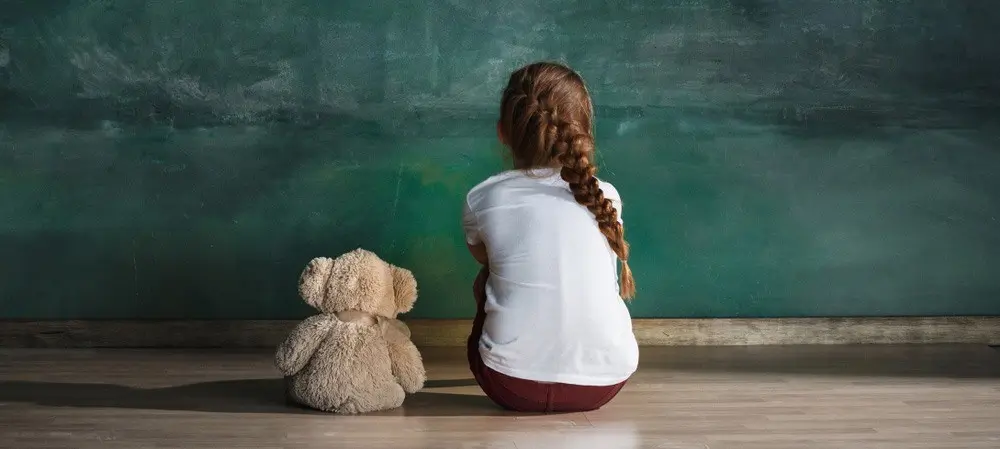
- Voor welke problematiek is er POH-GGZ jeugd?
Onze POH-GGZ jeugd kan begeleiding bieden bij zeer uiteenlopende problematiek rondom de ontwikkeling van kinderen en jeugd. Veel voorkomende vragen waarmee een POH-GGZ jeugd te maken krijgt zijn onder andere:
- opvoedproblematiek
- gedragsproblematiek
- begeleiding bij AD(H)D
- nergens zin in hebben, ook niet in dingen die uw kind normaal gesproken leuk vindt
- niet naar school willen
- in- of doorslaapproblemen
- weinig zelfvertrouwen (‘ik kan niets’, ‘niemand vindt mij aardig’)
- de schoolprestaties gaan achteruit
- teruggetrokken gedrag: stiller zijn of snel en veel moe zijn
- gedragsproblemen, bijvoorbeeld explosieve reacties/ snel(ler) boos
- onverklaarde lichamelijke klachten, zoals bijvoorbeeld buikpijn of hoofdpijn
- opvoedproblemen
- faalangst, sociale angst of andere belemmeringen waardoor uw kind situaties vermijdt.
- Afspraak maken
Voordat je een afspraak kan maken bij de POH-ggz jeugd ga je eerst naar de huisarts. De huisarts kan vervolgens doorverwijzen naar één van de POH-GGZ jeugd.
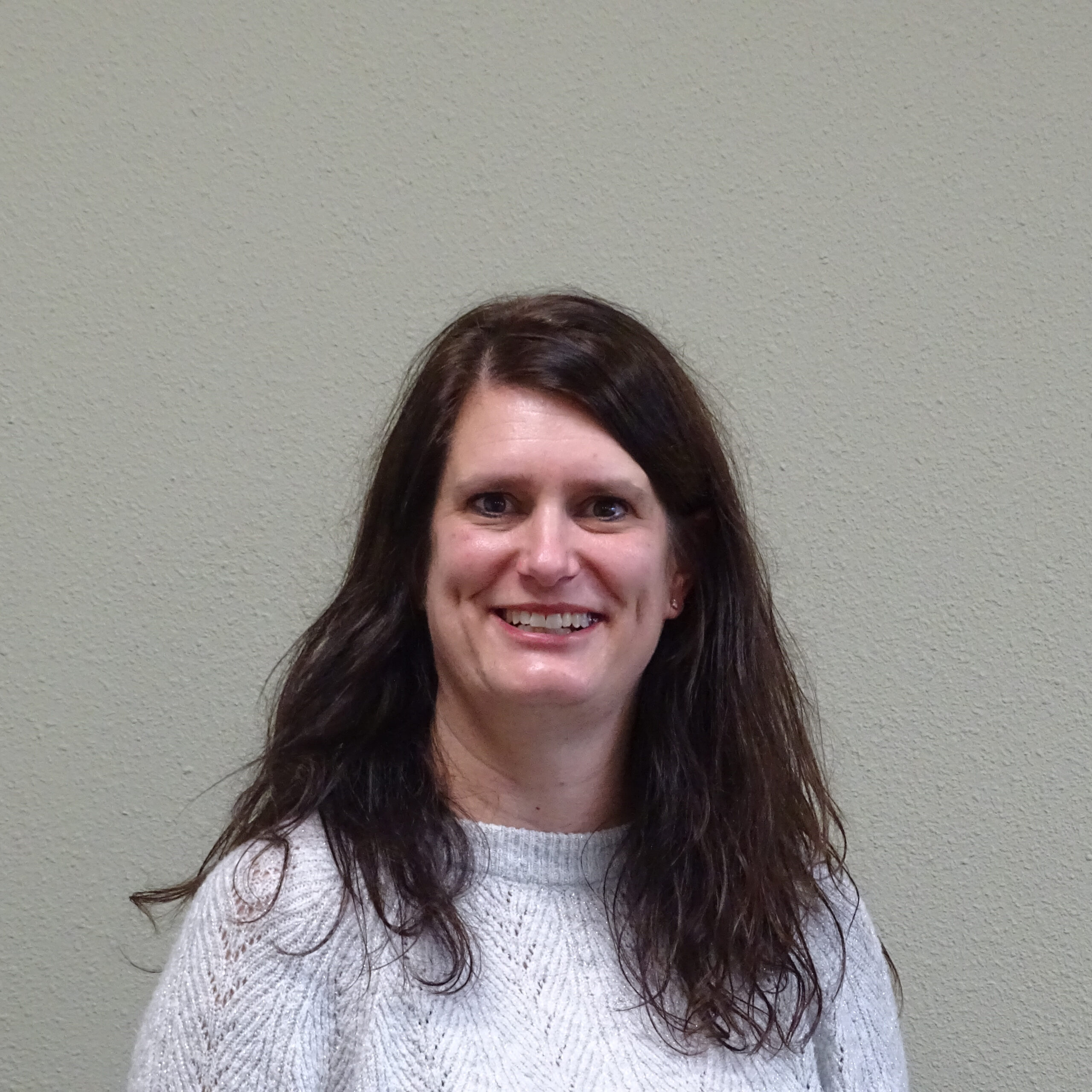
Mw. L. van Ginkel
- Aanwezig: di, wo, vr
Mw. J. Dessens
- Aanwezig: ma, di, wo, do
Mw. M. v.d. Strate
- Aanwezig: di, wo, do
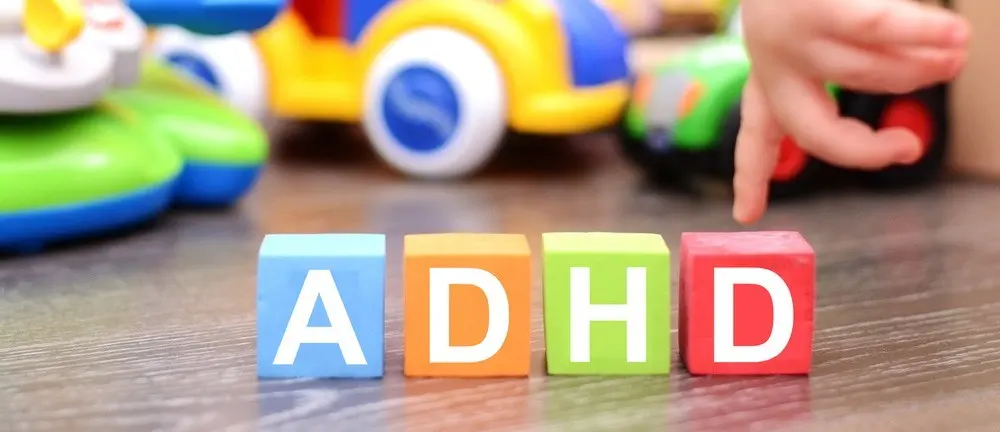
ADHD is een aandachtstekortstoornis die voorkomt bij zowel kinderen als volwassenen. Iemand met ADHD heeft moeite met concentratie, is sneller afgeleid en kan druk gedrag vertonen. Dit gedrag kan problemen geven op school, thuis en in de omgang met anderen.
- Kenmerken voor kinderen met ADHD
Jonge kinderen met ADHD vallen vooral op omdat zij:
- moeilijk stil kunnen blijven zitten
- snel zijn afgeleid
- moeilijk op hun beurt kunnen wachten
- van de ene activiteit naar het andere hollen
- niet rustig kunnen spelen
- overdreven veel praten
- anderen in de rede vallen
- niet luisteren naar wat anderen zeggen
- zich vaak in gevaarlijke situaties storten
- moeilijk instructies kunnen volgen
- anders reageren op straf en beloning
- veel kwijtraken of vaak iets verliezen
- moeilijk blijvend de aandacht kunnen richten
- zichzelf moeilijk onder controle kunnen houden
- Begeleiding
Bij kenmerken of een vermoeden van ADHD kan een huisarts iemand verwijzen naar een praktijkondersteuner ggz (POH-GGZ). Een POH-GGZ jeugd kan de problematiek in kaart brengen en kinderen met ADHD en hun ouders bijvoorbeeld ondersteunen en begeleiden. Voor behandeling en diagnostiek verwijst een POH-GGZ jeugd door naar specialistische ggz.